Fiscal policy to be focused on citizens in Moldova in 2024

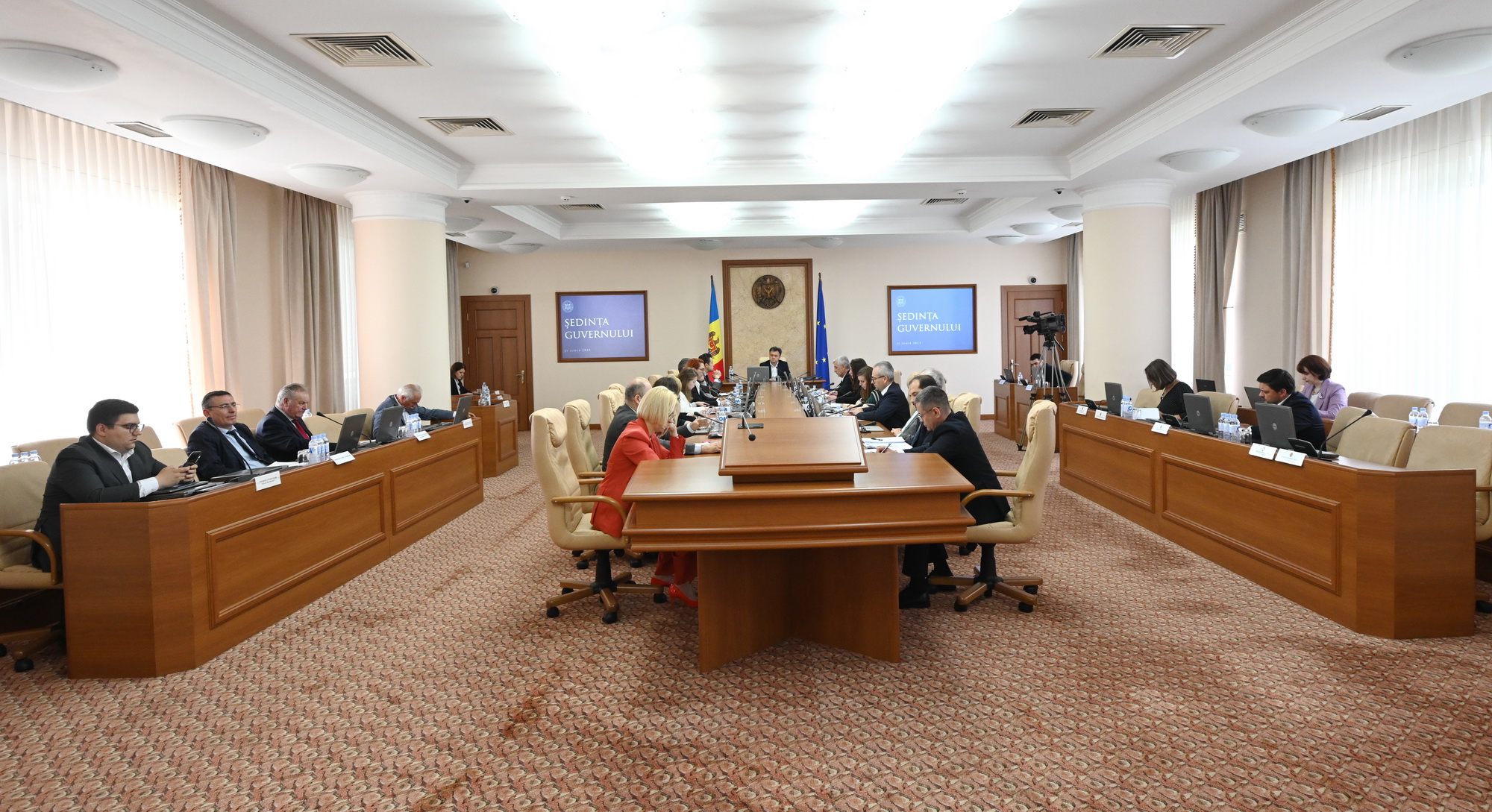
The draft on the budgetary and fiscal policy for 2024 was approved at a today’s cabinet meeting. The draft includes changes of optimization of the fiscal administration and is aimed at solving the economic constraints found out by tax payers, identifying instruments of residents’ support, as well as continuing the process of Moldovan legislation’s approximation to the European Union’s practices.
According to Finance Minister Veronica Sirețeanu, the main goals proposed in the document target the implementation of instruments of attracting qualified labour force, as well as the revision of mechanisms of calculation and payment of taxes, in order to simplify them.
At the same time, the government extends the spectrum of fiscal stimuli through revising the categories of expenses borne by the employer in favour of employees. The cabinet will compensate the expenses for alternative child-care services, employees’ training, medical services. At the same time, the draft sees the increase of the deductible ceiling for the optional health insurances premiums, as well as the introduction of regulations for the expenses for food and transport borne for probationers.
Additionally, the drafts proposes the extension of the categories of deductions for the private people at the establishment of the obligations related to the income tax with expenses related to the optional health insurance premiums, expenses related to the premium based on the contract on life insurance, the sums paid by the private person for the interests related to mortgage loans when buying the first dwelling, other than the ones contracted through the First Home state programme.
The document also sees the standardization of the quotas of the income taxes for private people, retained for the investment and financial incomes, through establishing them at 6 per cent. The measure’s goal is to stimulate the investment of the savings gained by private people, through the enforcement of a single regime on all aforementioned incomes.
The practice of establishing the rates of excise duties for a period of 3 years (2024-2026) will be continued, in order to ensure the fulfillment of the principle of predictability for the business environment, as well as for having a clear-cut forecast of the budget revenues. Thus, the tax on the excisable products, including tobacco, cider, some oil products, will by 7 per cent annually in the next three years, except for some categories of products, such as the liquefied gas, crude oil, beer or alcohol.
To observe the commitments of adjusting the fiscal and customs legislation, the fiscal regime applied to touring cars is changed, through taxing these vehicles with value added tax according to general principles starting from 1 January 2025, with the gradual decreasing of the excise duty’s quota.
To improve the fiscal administration process, the interaction with the tax payer will be focused on the electronic communication, through introduction of regulations related to the presentation of reports on the period of suspension of the work of the economic agents and optimization of the mechanism of appealing the decisions of the State Fiscal Service (SFS).
Images